



(Arnolds Park)– Wednesday evening’s Arnolds Park city council meeting was highlighted by a series of public hearings.
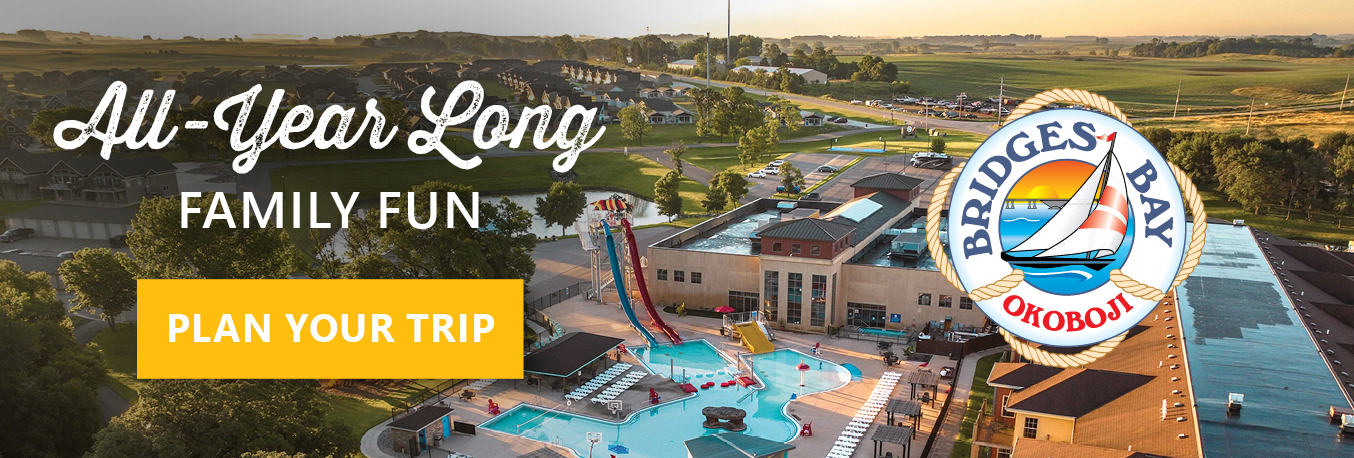
One of those resulted in the council voting unanimously to establish an urban renewal district encompassing a portion of the Bridges Bay project. It includes only the southern half of the condominium portion of the project, consisting of about 12 and-a-half acres. The project covers a total of nearly 70 acres. Mayor Mike Mitchell told the council the fact the entire project isn’t being included in the urban renewal area should be good news to many people. A hearing on the matter drew no public comment. The city plans to use revenue generated by the Urban Renewal District to extend a water main to the site and to rebuild some streets that will see additional traffic as a result of the development.
In other business, the council voted four-to-one to renew a 25-year franchise agreement for natural gas service with Aquila. That also followed a public hearing that drew no comments. The council then voted four-to-one to adopt a resolution dispensing of a special election on the franchise renewal. A new state law allows cities to do that. Councilman Mike Koppert cast the dissenting vote on both motions.
The council also voted unanimously to approve the first reading and waved the second and third readings and adopted an ordinance extending a ban on the consumption of alcoholic beverages to include an eight-foot stretch of sidewalk near the state pier, once it’s annexed into the city. The area is currently under the state’s jurisdiction and is immune to the city ordinance which bans the consumption of alcohol on streets and sidewalks. The Department of Natural Resources plans to voluntarily annex the walkway into the city. It’s been the source of problems in the past with people drinking.
The council also voted unanimously to hold the first reading and waive the second and third readings and adopted a revised zoning ordinance putting new restrictions on detached accessory buildings. It limits the number of those buildings to two per lot in residential areas–and the buildings must now meet certain requirements spelled out in the ordinance. That action also followed a hearing that drew no public comment.